

Groundswell 2026 reflections: building resilient farms, food systems and rural communities
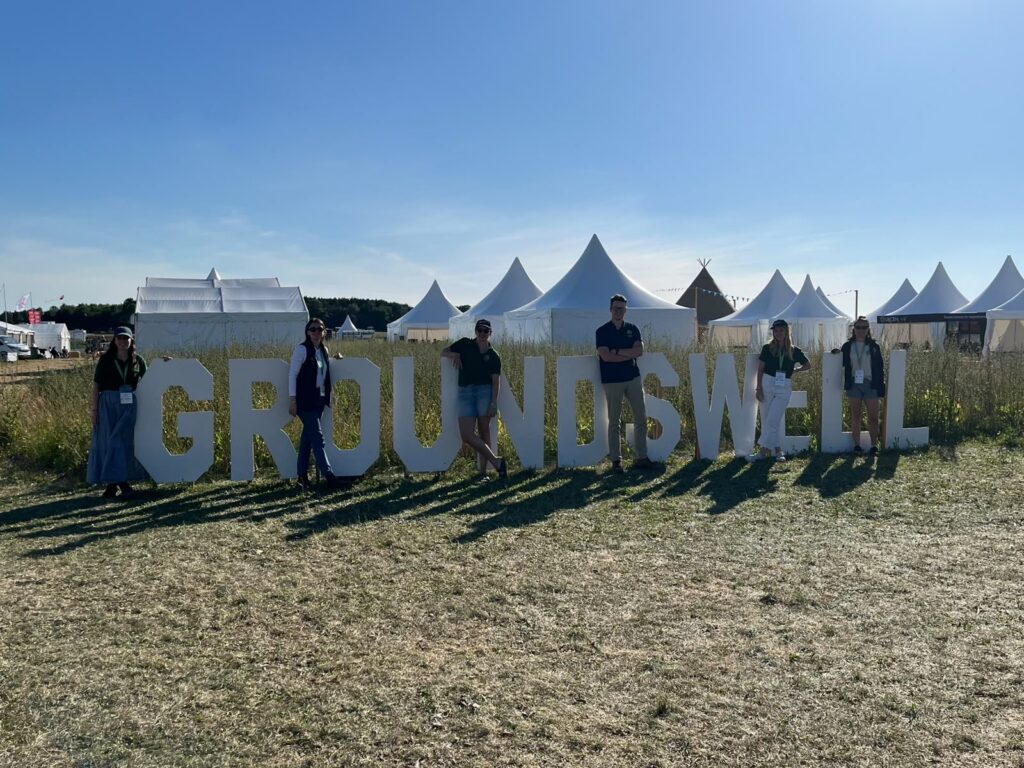
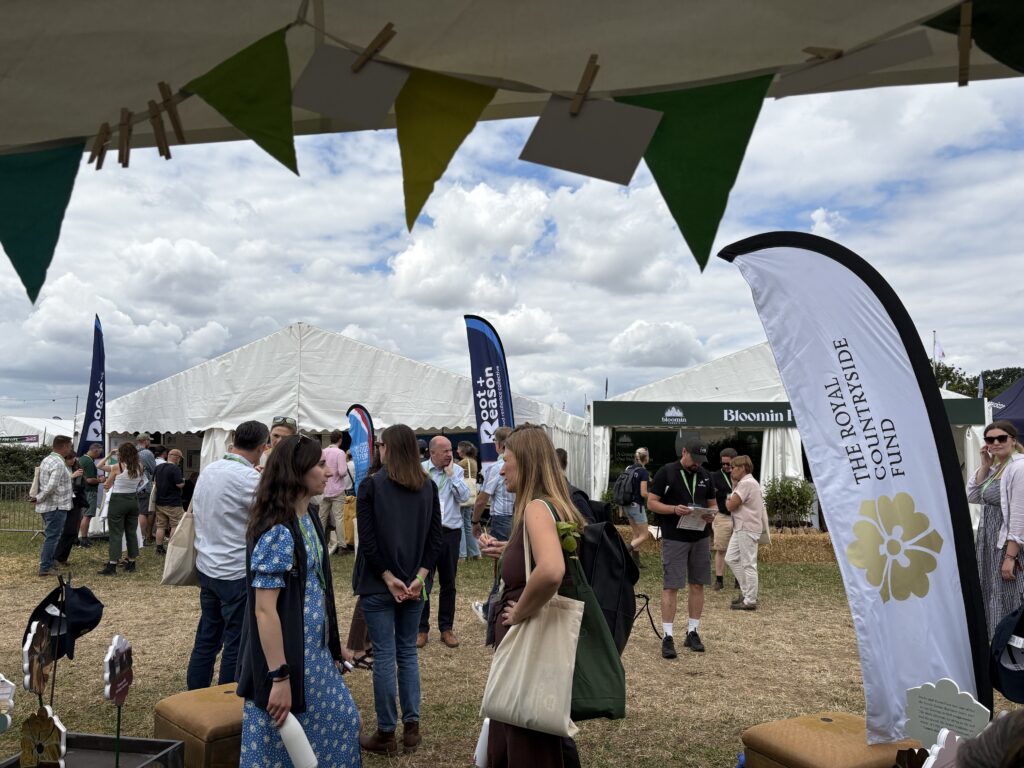
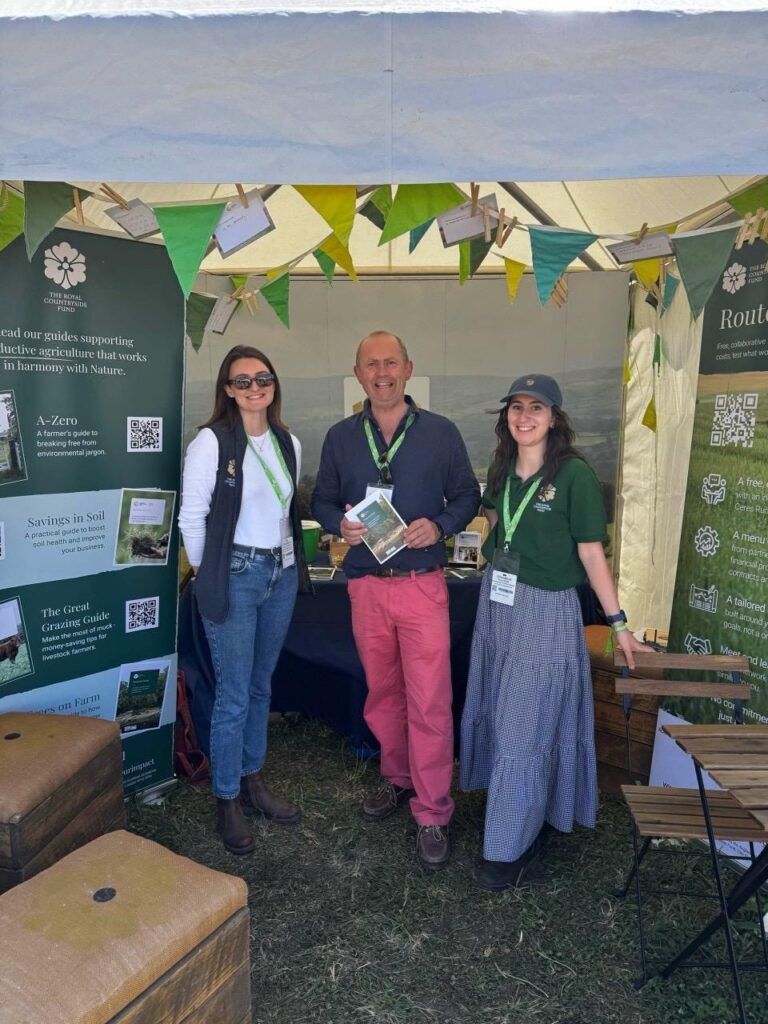
Our first time exhibiting at Groundswell was a huge success. Having chance encounters with people we work with and meeting people across the food and farming sector, was a joy, and we had the honour of welcoming HRH, Duchess of Edinburgh, to talk about how we’re supporting family farms. We have left inspired to continue ensuring that small farms and rural communities across the UK can thrive.
We heard from many people and perspectives on the future of food and farming systems, exploring regenerative agriculture, and what it means for farmers, consumers and the broader food system. A space that allows people from all aspects of the industry, from farmers and land managers to supermarkets and support organisations like ours, to sit at the same table, is rare but fundamental to securing a better future for UK food and farming.
A key message across the festival was that we must amplify farmers’ voices in decision-making, while the need to increase resilience across farm businesses, food supply chains and rural communities, is critical for environmental, social and financial longevity.
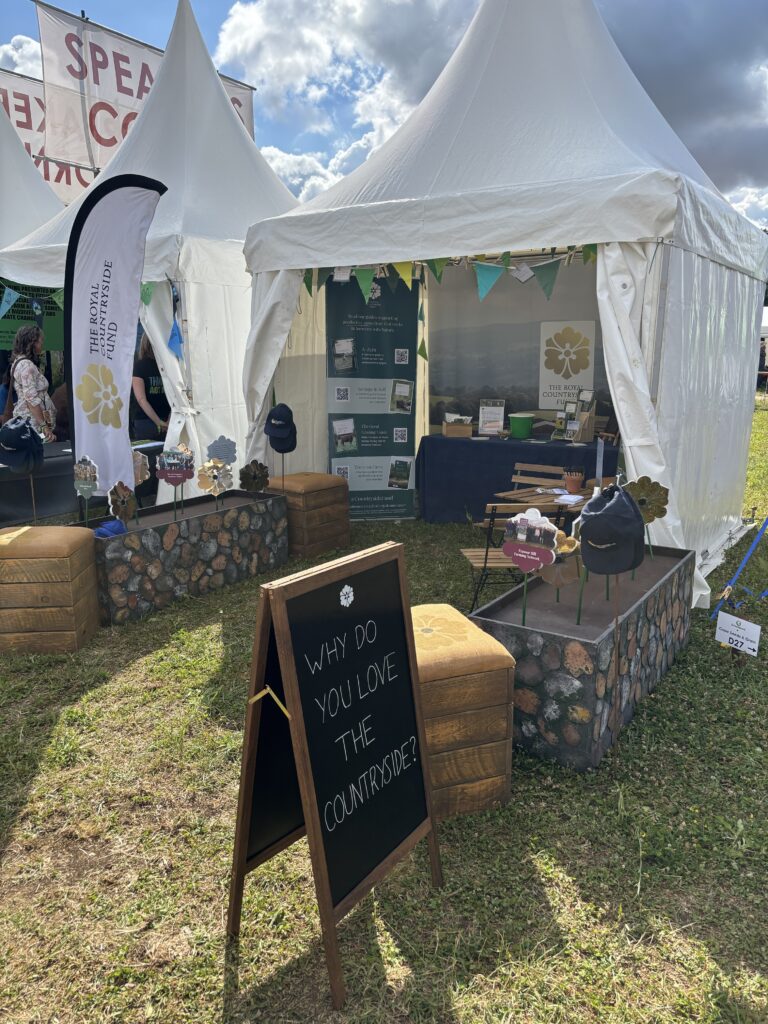
For us at The Royal Countryside Fund, our conversations and attendance at sessions reinforced the importance of supporting family farms, strengthening rural economies and ensuring that the voices of farmers are heard in conversations about the future of food and farming.
Learning from others
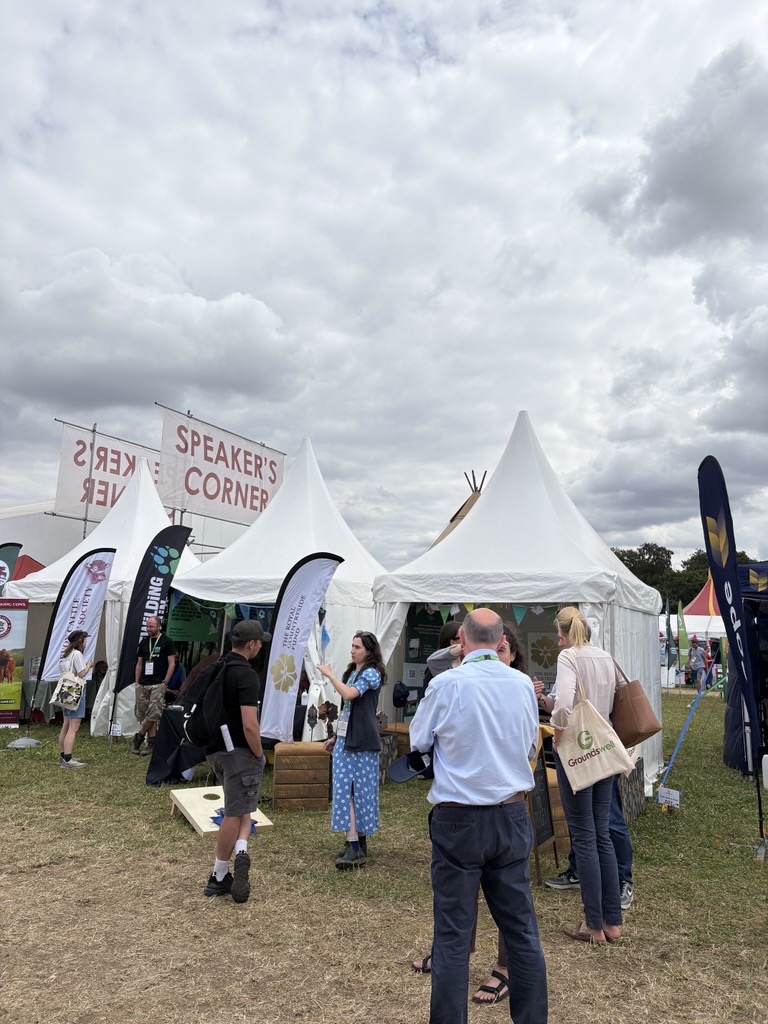
- Many discussions spoke about how farmers across the world often carry most of the risk, while much of the power and profit sits elsewhere in the supply chain. These conversations reinforced our mission at The Royal Countryside Fund to advocate for family farms to ensure that farmers have a seat at the table in decision-making.
- Several sessions spoke to the human side of local food systems, and how building stronger relationships between producers, retailers and consumers, and learning about the stories behind food, are vital to healthy food systems. We were proud to hear Waitrose, one of our partners, championing this, and Charlotte di Cello COO speaking about how their customers are interested in the quality of their food, both in value and values.
- The UK’s Climate Minister, Katie White, spotlighted the potential of place-based approaches, supporting young people and helping small businesses to drive positive change, themes that echo the RCF’s work with rural communities.
- Henry Astor of Bruern Farms talked about the potential for farmers to capture more of the value from what they produce, e.g. through milling flour, rather than relying solely on the sale of commodities. This can support with diversifying income and keeping value within rural communities. Similar ideas were covered in sessions on agroforestry, where the focus was on creating long-term profit rather than chasing short-term grants. Examples of how farm diversification can benefit family farms are covered in our Farm Resilience Programme, which you can learn more about here: www.royalcountrysidefund.org.uk/farmresilience
- One session explored how ‘regenerative’ is defined. It encouraged participants to think about the principles and outcomes that underpin healthier soils, stronger businesses and more resilient landscapes, particularly acknowledging contextual differences. It also explored how some of the most impactful metrics, such as resilience, are also the most difficult to measure.
- Peer-to-peer learning was highlighted as one of the most effective approaches for sharing information among farmers, and on farms. Also, recognising that change takes time and that trusted farming advisers are important. This is why we work with local partners to deliver our programmes across the UK.
- Stuart Gillespie ended his session on the principle of ubuntu — “I am because we are”, to remind us that lasting change to food and farming depends on collective action. We’re proud to work in collaboration with so many incredible partners to help enable that change.
For The Royal Countryside Fund, Groundswell reinforced the value of championing family farms, strengthening rural communities and helping create the conditions for a thriving countryside.